_PNG.webp)
Hurricane Season Starts Now. One Storm Is All It Takes to Create a Mold Problem in Your Building.
NOAA has predicted a below-normal 2026 Atlantic hurricane season. That's good news….. until it isn't.

As NOAA's own forecast notes, "below normal" does not mean "safe," and forecasters warn that early preparation is essential to staying safe all season. El Niño conditions are expected to develop and intensify during the 2026 hurricane season, and while that suppresses Atlantic storm frequency overall, the Gulf Coast and Southeast remain at risk - and any storm that makes it to the Northeast brings the same result for your building: water intrusion, and the rapid mold growth that follows.
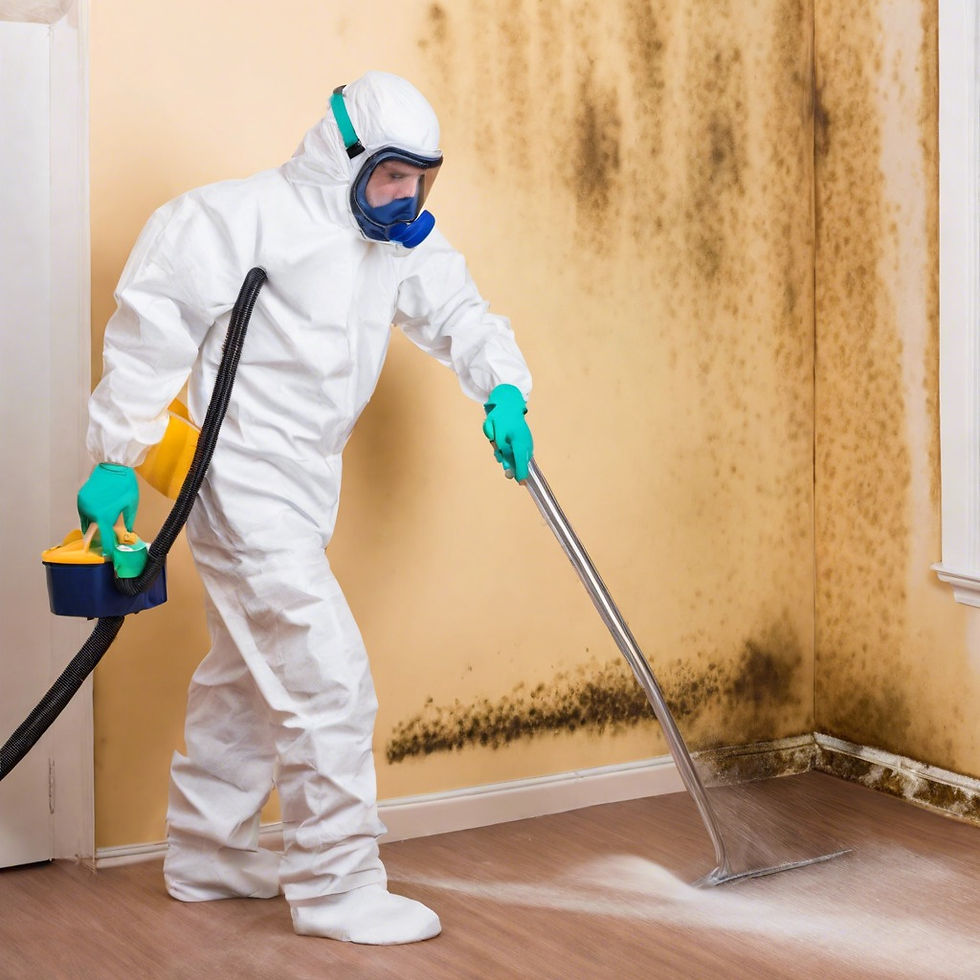
Mold can colonize wet building materials within 24 to 48 hours. In a multifamily residential building, that's not just a maintenance problem. Under New York State and New York City law, it's a legal one.
What the Law Requires of You
New York State Labor Law Article 32 governs mold work in this state. The law establishes licensing requirements and minimum work standards for professionals engaged in mold assessment and remediation. As a building owner or property manager, you don't perform that work yourself, but you are responsible for who you hire to do it.
In New York City, your obligations are more specific. When there is more than 10 square feet of mold in a building with 10 or more units, landlords must hire NYS Department of Labor-licensed mold assessors and remediators. The assessor and remediator must be separate entities. Hiring a single contractor to both assess and remediate the same property is not just inadvisable - it is prohibited under Article 32.
There's a reason for that separation. Article 32 protects against fraud by requiring an independent mold assessment to define the scope of remediation work. Without an independent assessment first, you have no way to verify that the remediation scope is accurate, or that the work was actually necessary.
In addition, post-remediation clearance must be performed by a licensed assessor, and that’s not optional.
What Happens If You Don’t Comply
Under Article 32 of the New York State Labor Law, contractors cannot advertise or perform covered mold work without the required license. Hiring an unlicensed contractor exposes you to that violation.
On the City side, HPD classifies mold conditions as Class C immediately hazardous violations, requiring correction within 21 days of service along with civil penalties.
If your remediator fails to file required DEP notifications or doesn't deliver post-remediation clearance documentation, the violation stays open even after the physical work is done.
CNS Environmental Is Ready
CNS Environmental provides licensed mold assessment, mold remediation oversight and post-remediation clearance services throughout the NYC metro area.
Our assessors are licensed under Article 32, and we document everything - scope, protocols, clearance - so you have a defensible compliance record if HPD or NYSDOL comes looking.
If your building sustains water damage this hurricane season, don't wait. Mold timelines are short, and your legal obligations activate the moment the work exceeds 10 square feet.
866.480.0722


_PNG.png)
Comments