_PNG.webp)
Thinking About a Career in Environmental? Here's How the Industry Actually Works


If you've been exploring careers in the environmental field, you've probably come across job listings, certification programs, and company websites that all seem to speak a different language. Environmental Consultant. Remediation Contractor. Site Assessor. Asbestos Inspector. Mold Remediator. Industrial Hygienist. It's a lot, and if you're coming in from the outside, it's not obvious how any of it fits together.
Here's the short version: the environmental industry has two distinct sides, and most people who build careers in it work primarily on one or the other. Understanding the difference early saves you a lot of time figuring out where you actually want to land.
The Two Sides of the Industry
Think of it this way. When there's an environmental problem (contaminated soil, asbestos in a building, mold after a flood, lead paint in an older property) someone has to figure out what the problem is, and someone has to fix it. Those are two different jobs, and they require two different skill sets.
Environmental Consulting
Environmental consulting is the assessment and advisory side. Consultants are the people who investigate, evaluate, and report. They conduct site assessments, collect samples, analyze data, write reports, and advise clients on what their findings mean and what needs to happen next. A lot of consulting work is desk-based (writing reports, reviewing regulations, communicating with clients and regulators) - combined with fieldwork (site visits, sampling, and inspections).
Environmental Contracting
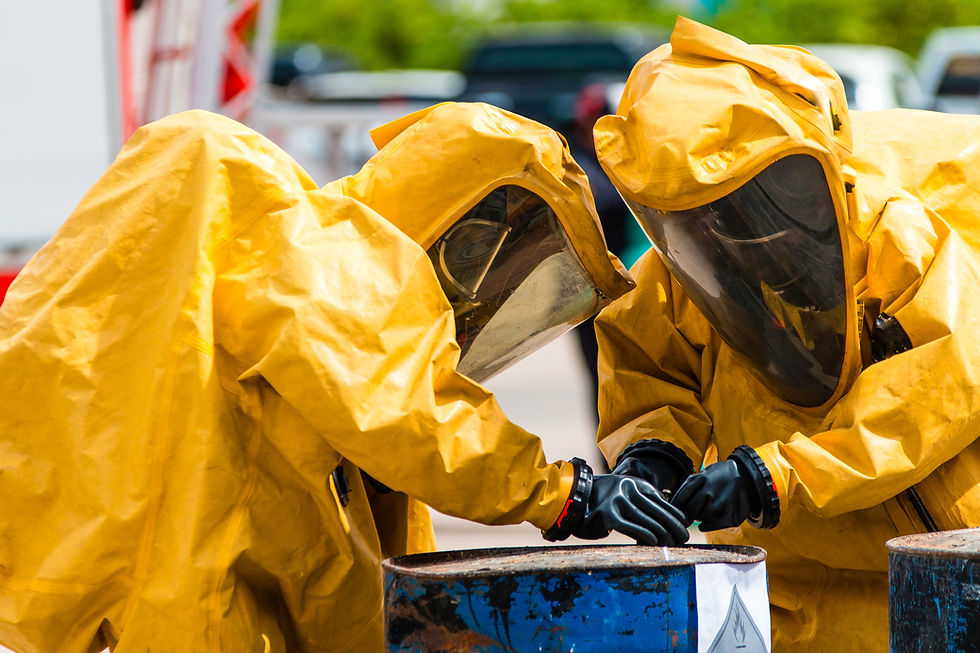
Environmental contracting is the hands-on remediation side. Contractors are the people who do the physical work - removing asbestos, abating lead paint, remediating mold, excavating contaminated soil, installing remediation systems. This is field-based, physical work that requires specific technical certifications and direct exposure to hazardous materials.
Both sides are essential and neither exists without the other.
A consultant identifies that a building has friable asbestos that needs to be removed. A contractor does the removal. And in most cases, regulations and industry standards require an independent consultant to be on-site during that work - observing, documenting, and making sure everything is being done correctly. Once the work is complete, that same consultant collects samples to confirm the space is safe before anyone returns. It's a checks-and-balances system built into how the industry operates, and it means the two sides of this field are in constant contact with each other.
What Does a Day in Each Role Actually Look Like?
This is where the two paths really diverge.
On the consulting side, your day might involve driving to a commercial property to conduct a Phase I Environmental Site Assessment where you’ll walk the site, take photographs, interview the owner and document your findings. Or you might be conducting an asbestos inspection in a building slated for renovation, collecting bulk samples of suspect materials for laboratory analysis. You might even spend a morning doing a mold assessment after a water intrusion event, or a lead-based paint inspection in a pre-1978 building ahead of a renovation project. Some days, you’ll be on a remediation site, overseeing a contractor's abatement work and collecting clearance samples to confirm the job is done to standard.
Back at the office, the work shifts to writing reports, interpreting data, communicating findings to clients, and navigating the regulatory requirements that govern what happens next. If you like variety, problem-solving, and a mix of field and office time, consulting tends to be a natural fit.
On the contracting side, the work is more consistently in the field. For building-related work, you might be suiting up in personal protective equipment to remove asbestos-containing materials from a school building, or setting up containment for a lead abatement project in a pre-war apartment complex where you’ll be stripping painted surfaces, removing components entirely, or applying encapsulants to seal the material in place. Mold remediation is similarly hands-on: physically removing contaminated materials, cleaning affected surfaces, and making sure the source of moisture that caused the problem is addressed so it doesn't come back.
On the subsurface side, contracting also can include soil remediation work like physically excavating and removing contaminated material from a site so it can be properly disposed of. Other days might find you working alongside a drilling crew during a subsurface investigation, where borings are advanced into the ground so a consultant can collect soil and groundwater samples for analysis. The work is physical, technically precise, and heavily regulated. If you prefer hands-on work with clear, tangible results (and you're comfortable working in demanding environments) contracting is worth a serious look.
Credentials: How Each Path Gets Started
One of the biggest practical differences between the two paths is how you get qualified to work.
Environmental consulting can be credential-driven or degree-driven. While some consultants come from a college background in environmental science, geology, chemistry, or engineering and pursue a path focused more towards technical and regulatory driven reporting that require a college degree and/or professional license (Professional Geologist or Engineer for instance); plenty of working consultants built their careers through certifications and field experience. What tends to matter most is whether you hold the right credentials for the work you're doing like specialty certifications in asbestos inspection, asbestos project monitoring, lead-based paint inspections or risk assessments, mold assessment, or the OSHA 40-Hour HAZWOPER certification required for fieldwork at contaminated sites. A degree can open certain doors, particularly at larger firms, but it's not the only path in.
Environmental contracting is typically certification-driven and doesn't necessarily require a four-year degree. If you want to work on asbestos abatement projects in New York, you need a state-issued certification (asbestos handler or supervisor), depending on your role. Lead abatement work requires EPA and state-level certifications in some areas. Mold remediation in New York requires licensing under Article 32. These certifications are obtainable through accredited training programs, and many people enter the contracting side of the industry through the trades.
Both paths reward people who invest in the right credentials and take the technical side of the work seriously. The difference is in how you apply that knowledge once you have it.
Which Side Is Right for You?
There's no universal answer, but there are some honest questions worth asking yourself.
Do you prefer working with data, writing, and analysis - or physical, hands-on work? Consulting skews toward the former; contracting toward the latter.
Are you comfortable working in potentially hazardous environments with strict safety protocols? Both sides involve some exposure to that reality, but contractors work in it daily.
Are you drawn to understanding the full picture of an environmental problem, or to solving one specific part of it? Consultants tend to work across the lifecycle of a project. Contractors own a defined scope of work and execute it with precision.
Most people who thrive in this industry, on either side, share a few things: they're detail-oriented, they take safety seriously, and they find genuine satisfaction in work that has a real public health purpose. Environmental work isn't abstract. The problems are real, the regulations exist for good reason, and the people doing this work (whether they're writing reports or suiting up for abatement) are making a tangible difference.
Where CNS Environmental Fits In
CNS Environmental’s consulting division handles environmental site assessments, remediation oversight, asbestos, lead paint and mold investigations, vapor intrusion studies, and more across the New York metro area. Our Training Division certifies both the consultants and the contractors who do the hands-on work, providing asbestos, lead, mold, and OSHA certifications that meet New York State and federal requirements.
If you're still figuring out which direction fits you, that's exactly where this kind of research is supposed to start. Both paths offer real, stable careers in a field that isn't going anywhere.


_PNG.png)
Comments